
Problem-Solution Validation Template
Before you touch keywords, content calendars or ad budgets, you need to answer one question honestly. What problem does your brand actually solve? Most people skip this and jump straight to marketing, then wonder why nothing sticks.
This worksheet is built directly on top of our blog on what problem does your brand solve. If you haven’t read that yet, start there first. This template is where you actually apply it.
What this Template Does?
It takes you from a vague idea of “what I sell” to a validated one line statement of what problem you solve, who you solve it for and why it matters to them. Every section forces you to separate what you assume from what you actually know, which is usually where most beginners get stuck without realising it.
How to use Problem-Solution Validation Template?
1. Start with Pain Points and Wants. Write down the problems your brand addresses and figure out if each one is a pain point or a want. This changes how you market it later, so don’t skip the reasoning column.
2. Move to Features and Benefits. List what your product actually does, then write what that does for the customer. Features are the what, benefits are the why. If you can only fill the features column, you’re not ready for the next section yet.
3. Go through the five validation blocks. Problem, Customer, Solution, Brand and Long Term Validation. These are questions you answer honestly, not questions you answer optimistically. Fill the Evidence column every time you can. If you can’t, that’s fine, just mark your confidence as Low and go find that evidence before moving forward.
4. Talk to real people before finishing the last section. The Confidence and Evidence columns exist so you stop guessing. If most of your worksheet is marked Low confidence with nothing in the Evidence column, that’s not failure, that’s information. It tells you exactly what to go research next.
5. Finish with the Value Proposition Statement. Only attempt this once the rest of the sheet has some real evidence behind it. Complete the three blanks and combine them into one sentence. If you can’t do it confidently, go back a few sections. That’s normal.
A quick note before you start
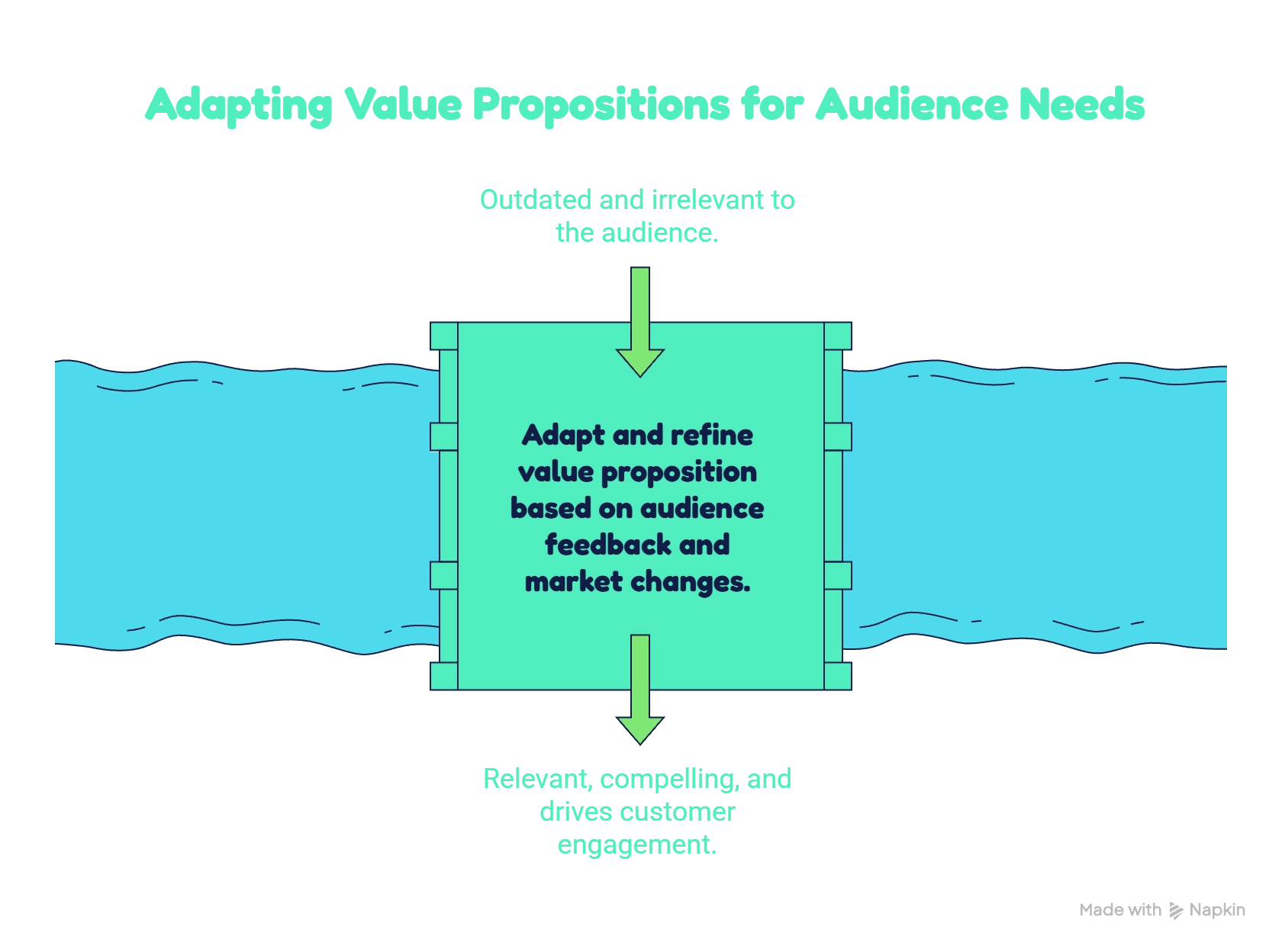
This isn’t a form to complete once and forget. Revisit it every few months as you learn more about your audience. The version of your value proposition you write today will probably look different six months from now, and that’s a good sign, not a bad one.
Download the worksheet below and start with the Pain Points and Wants section.
Download Problem-Solution Validation Template
Go from 0 to 1 In Digital Marketing
With
Psyden Crafts