Blog Writing Prompt
Writing blog content that both ranks on Google and engages readers can be difficul especially if you’re starting out.
This prompt helps you generate structured, SEO-friendly blog content using tools like ChatGPT in minutes.
A simple two-step content system that turns any topic into a structured blueprint and then into a high-quality, goal-driven article. Designed to adapt to your business, audience, and objectives so your content isn’t just written, it actually works.
This prompt helps you:
- Generate a complete blog outline
- Write SEO-friendly content
- Structure headings (H1, H2, H3)
- Align content with search intent
- Create readable and engaging blogs
Blog Content Prompt (Copy & Use) Step 1
You are an expert content strategist.

Your task is to convert a topic into a complete content blueprint that is optimized for clarity, audience relevance, and discoverability.

INPUT:
- Topic: [Insert Topic]
- Primary Keyword (optional): [Insert or leave blank]
- Secondary Keywords (optional): [Insert or leave blank]
- Target Audience: [e.g., beginners, professionals, business owners]
- Business / Brand Context (very important):
  Describe:
  - What the business does
  - Who it serves
  - What it is trying to achieve (traffic, leads, sales, authority, etc.)
  - Any specific tone, positioning, or uniqueness

OUTPUT FORMAT:

1. USER INTENT
- Define intent (informational / commercial / transactional / navigational)
- Explain what the user is actually trying to achieve

2. TARGET AUDIENCE INSIGHT
- Who exactly is this content for
- Their pain points and expectations

3. PRIMARY KEYWORD
- Select or refine best primary keyword

4. SECONDARY KEYWORDS
- List 5–10 relevant supporting keywords

5. CONTENT ANGLE
- Unique positioning based on business context
- Why this content will stand out

6. TITLE OPTIONS (5)
- Natural, search-friendly, no unnecessary gimmicks

7. URL SLUG
- Clean, simple, keyword-based

8. META TITLE (max 60 characters)
9. META DESCRIPTION (max 155 characters)

10. CONTENT STRUCTURE (H1, H2, H3)
- Full outline
- Under each heading, include bullet points describing what to cover

11. VALUE ADDITIONS
- Examples, frameworks, or insights to include
- Any data, comparisons, or storytelling angles

12. INTERNAL LINKING IDEAS
- Suggest types of pages to link to (guides, tools, services, etc.)

13. CTA STRATEGY
- Suggest:
  - 1 contextual CTA (mid-content)
  - 1 end CTA
- Align with business goal (email capture, product, service, etc.)

IMPORTANT RULES:
- Keep it practical and actionable
- Avoid generic filler
- Adapt output based on business context
- Make it useful across industries (not SEO-only)
Blog Content Prompt (Copy & Use) Step 2
You are an expert content writer.

Your task is to write a complete, high-quality article using the provided content blueprint.

INPUT:
- Use the full structure and details below:
[PASTE OUTPUT FROM STEP 1]

WRITING INSTRUCTIONS:

1. STYLE & TONE
- Adapt tone based on business context
- Keep language clear, natural, and engaging
- Avoid unnecessary jargon unless required

2. STRUCTURE
- Follow H1, H2, H3 exactly
- Expand bullet points into clear explanations
- Use short paragraphs (2–4 lines)

3. CLARITY & FLOW
- Ensure smooth transitions between sections
- Break down complex ideas simply

4. ENGAGEMENT
- Use examples, analogies, or scenarios where useful
- Add clarity phrases like:
  - “Here’s what this means”
  - “Let’s break this down”

5. SEO & READABILITY
- Naturally include primary and secondary keywords
- Avoid keyword stuffing
- Write for humans first, search engines second

6. CTA INSERTION
- Add:
  - 1 contextual mid-content CTA
  - 1 strong end CTA
- Align with business goal (product, service, signup, etc.)

7. INTERNAL LINKING (NATURAL)
- Suggest anchor text ideas where relevant (do not insert URLs)

8. OUTPUT FORMAT
- Clean formatting
- Proper headings
- Bullet points where needed

IMPORTANT:
- Do NOT repeat the outline
- Convert it into a complete, readable article
- Ensure the content feels useful and actionable
- Adapt content depth based on audience level
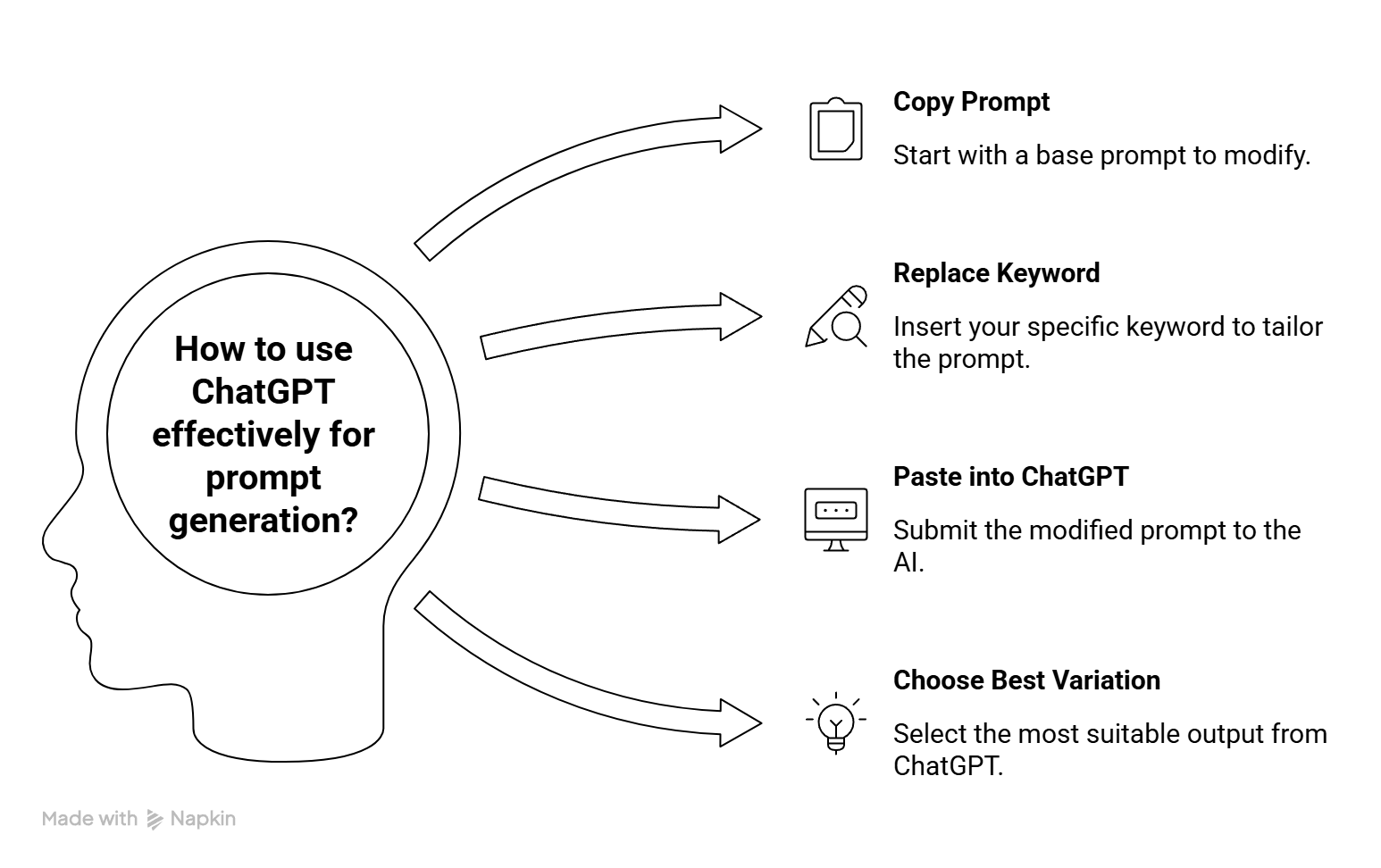
How to Use This Prompt ?

Pro Tips for Better Blog Content
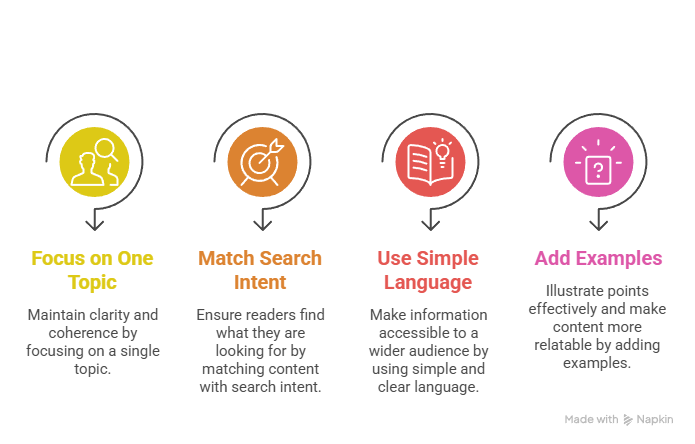
- Focus on one topic per blog
- Match content with search intent
- Use simple and clear language
- Add examples where possible